
Our attorneys have recovered millions for our clients.
Roanoke Brain Injury Lawyer
Nearly 40 Years of Combined Experience Behind Your Brain Injury Case
A brain injury can upend every part of a person’s life. Physical function, cognitive ability, emotional regulation, employment, and family responsibilities can all shift in ways that are difficult to predict and harder to navigate alone. At Obenshain Law Group, Mark Obenshain and Justin Wolcott work together on serious injury matters, bringing nearly 40 years of combined experience and a team-based approach designed to catch details that might otherwise be overlooked. We serve individuals and families across Virginia, including those in the Roanoke area.
Contact us today for a free consultation to discuss how our Roanoke brain injury attorney can help you move forward. Call (540) 318-7360.
Understanding Brain Injuries & Their Effects
A traumatic brain injury (TBI) occurs when a blow, jolt, or penetrating injury disrupts normal brain function. Concussions are generally considered mild traumatic brain injuries, but that label doesn’t mean symptoms are minor or recovery may be quick. Severity varies widely, and some injuries have lasting effects on cognition, behavior, and daily living.
Brain injuries can take several forms:
- Concussions: Often caused by sudden blows to the head, concussions can result in headaches, dizziness, or temporary memory loss.
- Traumatic Brain Injuries (TBI): Severe TBIs may lead to cognitive challenges, paralysis, loss of physical coordination, or behavioral changes.
- Anoxic Brain Injuries: These occur when the brain is deprived of oxygen, such as in drowning incidents or medical malpractice during surgery.
- Penetrating Brain Injuries: Injuries like gunshot wounds or sharp object trauma can cause extensive damage requiring lifelong care.
Signs & Symptoms
Common signs include the following:
- Persistent headaches or migraines
- Difficulty concentrating or memory loss
- Loss of balance and coordination
- Vision or hearing changes
- Fatigue, mood swings, or personality changes
- Sleep disturbances or seizures
If you or a loved one exhibits any of these symptoms following an accident, seek medical attention promptly. Symptoms can appear immediately or become more apparent in the days after an injury, which is why follow-up evaluation matters. If symptoms are severe or worsening, go to an emergency room. This page addresses legal options, not medical care, and nothing here replaces the guidance of a treating provider.
Common Causes of Brain Injuries
Brain injuries can arise from various incidents, often caused by another party’s negligence. Common causes include the following:
- Motor Vehicle Accidents: Traffic collisions involving cars, trucks, or motorcycles can cause brain injuries.
- Slips and Falls: Unsafe premises, such as wet floors or uneven surfaces, can result in dangerous head injuries.
- Workplace Accidents: Construction sites and industrial workplaces pose risks for falls or being struck by objects.
- Sports Injuries: Violent impacts during contact sports or improper safety protocols can lead to concussions or TBIs.
- Medical Malpractice: Anesthetic errors, delayed treatments, or surgical mistakes can deprive the brain of oxygen, causing severe harm.
- Violent Assaults: Physical attacks, such as blunt force trauma, can result in immediate and long-lasting brain damage.
Useful evidence can include:
- Incident reports
- Photographs
- Witness information
- Medical records
- Employment records
- Communications with insurers
At Obenshain Law Group, we investigate the facts to identify potentially liable parties and handle the legal legwork so clients and their families can focus on recovery.


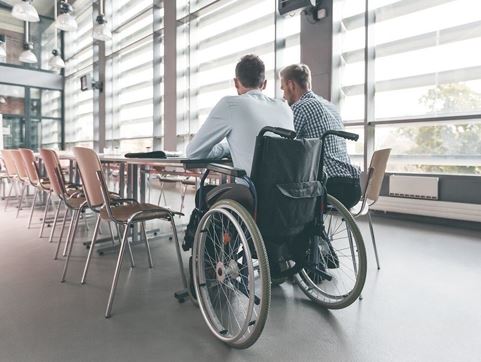

How a Brain Injury Claim Can Address Long-Term Losses
Brain injuries can bring medical bills, lost income, and lasting changes to daily life. A civil claim may seek compensation for the financial and personal losses caused by the injury.
Types of Compensation You May Be Entitled To
Depending on the facts and available proof, recoverable damages may include:
- Medical Expenses: Covering emergency treatment, hospital stays, surgeries, and related healthcare costs.
- Rehabilitation: Compensation for physical therapy, cognitive rehabilitation, and speech therapy.
- Lost Wages: Reimbursement for income lost during recovery and diminished earning capacity in the future.
- Pain and Suffering: Addressing emotional distress and the overall loss of quality of life.
- Long-Term Care: Financial support for home modifications, mobility equipment, or round-the-clock caregiving services.
The categories that apply and the value of any damages depend on the facts of your situation, the proof available, and the applicable law. Future needs may require documentation from treating providers and other qualified professionals. Our goal is to identify the full scope of your losses, including those you may not face until months or years from now.
Virginia & Roanoke Legal Context for Brain Injury Claims
Under Virginia Code § 8.01-243(A), personal injury actions are generally subject to a two-year limitations period, though the correct deadline can depend on the type of claim, the parties involved, the date the cause of action accrued, and statutory exceptions. Missing a filing deadline may bar a claim for compensation, which is one reason early legal review is important.
For Roanoke-area residents, civil claims are handled through courts including Roanoke City Circuit Court, which is part of Virginia’s 23rd Judicial Circuit. Roanoke County Circuit Court generally holds original jurisdiction over civil claims exceeding $15,000 and concurrent jurisdiction with the General District Court for claims between $4,500 and $15,000. Understanding where a claim should be filed and how local procedural rules apply is a practical part of moving a case forward.
Virginia also applies a contributory negligence rule, meaning that fault allocation can be a significant issue in a personal injury claim. Under this doctrine, a plaintiff found to have contributed to their own injury may be barred from recovering damages entirely. How this rule applies depends on the specific facts of the matter. We explain these legal standards in plain language so clients understand what they’re facing and can make informed decisions about their options.
-
“Mr. Obenshain took great care of our family at a difficult time.”- A Personal Injury Client
-
“He did everything in his power to see through the end of what seemed to be an endless tunnel.”- Heather H.
-
“They always look out for their client's best interests!”- Chad Funkhouser
-
“Mark and Karen are 2 of the most genuine people I have ever met.”- Don F.
-
“We were happy with the outcome and would recommend Obenshain Law Group to any future clients you might be in contact with.”- Irma Housden
-
“This company and their employees are great worked with us each step of the way”- Dennis
-
“They made me feel at ease with my case in their hands and did everything they could”- Kaitlyn
-
“From the moment I walked through their doors, I was met with professionalism, empathy, and a commitment to securing the best possible outcome for my case.”- Brendan

WHY CHOOSE US?
-
We Work Closely with Healthcare Providers in Handling Our Clients' Claims
-
We are Well-Known by Insurance Companies and Their Adjusters
-
We Recovered Compensation Totaling Nearly $100 Million for Our Clients
-
We Represented Thousands of Clients and Handled over 150 Jury Trials
Why Work with Obenshain Law Group on a Brain Injury Matter
We structure our representation around the uncertainty that follows a brain injury, providing individualized attention, clear explanations, and consistent communication throughout the case.
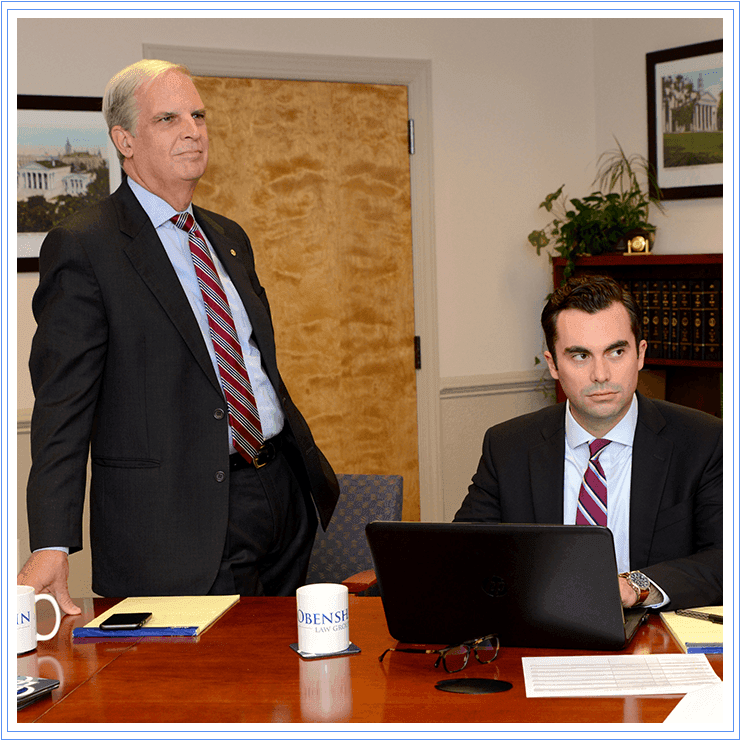
- Nearly 40 Years of Combined Experience: Mark Obenshain and Justin Wolcott have handled more than 1,000 injury cases and over 150 jury trials, including matters involving brain injuries and other serious injuries arising from negligence by motorists, nursing homes, and health care providers.
- A Collaborative Team Approach: We work together on strategy, review evidence as a group, and draw from each attorney’s strengths rather than passing clients from one person to another. This structure helps reduce the risk that details don’t fall through the cracks.
- Consistent Communication: We return calls and messages promptly, provide regular updates without being asked, and explain each development in plain language to keep clients informed about their case.
- Attention to Long-Term Impact: Brain injury claims often need to address not just current treatment costs but also the effects on future work capacity, daily activities, relationships, and ongoing care needs. We take the time to understand what a person’s life looks like now and what it may require going forward.
- Individualized Representation: We tailor our approach to each client’s medical needs, family responsibilities, and long-term goals. No two cases are the same, and we don’t treat them as if they are.


TURNING VICTIMS INTO VICTORS
OUR ATTORNEYS HAVE RECOVERED MILLIONS FOR OUR CLIENTS
-
$700,000 Adult Care Program Negligence
-
Millions in Recoveries Airplane Crashes
-
Record-Setting $1.85 Million Assault and Battery at Assisted Living Facility
Secured a $1.85 million jury verdict for a resident assaulted at an assisted living facility in Edinburg, Virginia, marking the 9th highest verdict in the state for 2023.
-
$385,000 Assisted Living Facility Negligence
Assisted living facility resident neglect.
-
$850,000 settlement Assisted Living Facility Wrongful Death
Frequently Asked Questions
What If Brain Injury Symptoms Become Clearer After the Accident?
If symptoms became clearer after the accident, that doesn’t necessarily undermine a legal claim. Medical records from follow-up evaluations and documentation of how symptoms developed over time can be important to establishing the nature and extent of the injury.
What Can a Family Member Do When the Injured Person Can’t Manage the Claim?
Brain injuries can affect memory, communication, and the ability to manage paperwork or make decisions.
A family member can help with the following:
- Gathering contact information for witnesses
- Preserving photographs or incident reports
- Keeping records of medical appointments and out-of-pocket expenses
- Documenting visible changes in the injured person’s condition or daily functioning
When you speak with us, we can explain which information may be most useful to the claim.
Can a Brain Injury Claim Account for Future Care Needs?
A claim may account for future treatment, rehabilitation, caregiving, equipment, or home modifications when the evidence supports those needs. Treating providers and other qualified professionals may help document the expected care and its cost.
How Does Timing Affect a Brain Injury Claim?
Timing matters because surveillance footage can be overwritten, witnesses can become harder to locate, and physical conditions at an accident scene can change. Virginia law generally imposes a two-year limitations period on personal injury actions under Virginia Code § 8.01-243(A), though exceptions exist depending on the specific circumstances. Starting a legal review early can make it easier to preserve relevant evidence and determine which deadlines apply to your situation.
Schedule a Free Consultation Today
If you or a loved one has suffered a brain injury, reaching out sooner rather than later can allow time to preserve available evidence, organize documentation, and review your legal options before deadlines become a concern. We can give you a candid assessment of your situation, including both the strengths and limits of a potential claim, and help you decide whether moving forward feels right.
Call us today at (540) 318-7360 or complete our online contact form to schedule a free consultation with our Roanoke brain injury attorney.


