
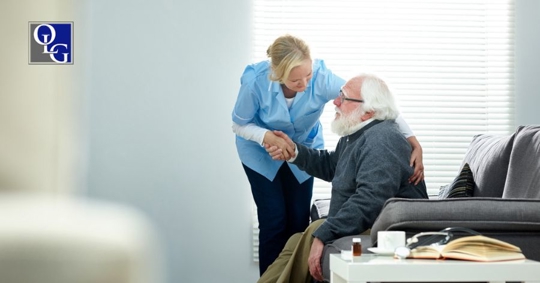
Choosing a nursing home for a loved one is an act of profound trust. For many Virginia families, this transition is made with the expectation that professional caregivers will provide the safety, dignity, and medical attention their family deserves. However, the unfortunate reality is that nursing home residents represent one of the most vulnerable populations in the Commonwealth.
Understanding the systemic and physiological factors that contribute to this vulnerability is the first step in protecting your family members. Here are the primary reasons why they are at an increased risk of nursing home abuse and neglect.
1. Cognitive Impairment and Communication Barriers
Many residents in long-term care facilities suffer from Alzheimer’s, dementia, or the physical aftermath of a stroke. These conditions can strip a resident of their ability to report mistreatment accurately. Tragically, abusers often target those who cannot testify against them or whose complaints may be dismissed as "confusion" or "paranoia" by staff and family members.
2. Physical Frailty and Dependence
Residents often require assistance with the most basic activities of daily living, such as bathing, dressing, and using the restroom. This total dependence on staff for physical needs creates a significant power imbalance. When a resident is unable to physically defend themselves or even move without assistance, they become susceptible to both physical violence and the "quiet" abuse of neglect.
3. Chronic Understaffing and Caregiver Burnout
In many Virginia facilities, high turnover rates and staffing shortages are persistent issues. When facilities prioritize profits over adequate staffing ratios, the remaining caregivers are often overworked and stressed. This environment can lead to a dangerous decline in the quality of care, where frustrated staff may lash out or simply ignore the needs of those under their supervision.
4. Social Isolation
Isolation is a major risk factor for abuse. Residents who do not have frequent visitors are less likely to have an advocate who notices the subtle signs of mistreatment, such as unexplained bruising, sudden behavioral changes, or poor hygiene. Without the "watchful eye" of family, negligent facilities may feel they can operate without accountability.
5. Lack of Proper Staff Training
Providing care for seniors with complex medical and behavioral needs requires specialized training. When facilities fail to properly vet employees or provide ongoing education on de-escalation and geriatric care, the risk of accidental or intentional harm increases significantly.
Your loved one has a right to live in a safe and respectful environment. If you suspect that a family member has been a victim of nursing home abuse or neglect in Virginia, you do not have to face this alone. Obenshain Law Group is dedicated to holding negligent facilities accountable and securing the justice your family deserves.
Contact us today at (540) 318-7360 for a confidential consultation to discuss your legal options.