
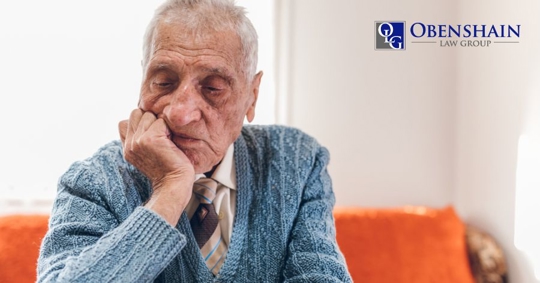
As families, we entrust the care of our elderly loved ones to nursing homes with the expectation of safety, comfort, and professional attention. When a cherished family member resides in such a facility, it's natural to maintain a close watch on their well-being. While some gradual changes in behavior can be attributed to the natural aging process or ongoing medical conditions, sudden and unexplained shifts in an elderly resident's demeanor or actions should always be considered significant red flags. Ignoring these changes can have serious consequences, as they often signal underlying issues that require immediate investigation.
Understanding What Constitutes a "Red Flag"
A red flag isn't necessarily a definitive sign of neglect or abuse, but rather a warning that something is amiss. It’s an indicator that further scrutiny is warranted. For elderly residents in nursing homes, these changes can manifest in various ways:
Emotional and Psychological Changes:
Sudden onset of depression or anxiety: An abrupt loss of interest in activities they once enjoyed, persistent sadness, excessive worrying, or uncharacteristic withdrawal.
Increased agitation or aggression: Becoming easily frustrated, lashing out verbally or physically, or exhibiting newfound combativeness.
Unusual fear or paranoia: Expressing unfounded fears, becoming suspicious of caregivers or other residents, or believing they are being harmed when they are not.
Changes in personality: A formerly cheerful individual becoming sullen, or a quiet person becoming boisterous and inappropriate.
Physical and Health-Related Changes:
Unexplained injuries: Bruises, cuts, sprains, or fractures without a clear, credible explanation.
Significant weight loss or gain: A sudden and noticeable change in appetite or body mass.
Changes in hygiene: A previously meticulous individual becoming unkempt, or a sudden decline in personal care.
New or worsening sleep disturbances: Insomnia, frequent nightmares, or excessive daytime sleepiness.
Social and Communication Changes:
Withdrawal from social activities: Avoiding interactions with family, friends, or other residents.
Reluctance to speak openly: Hesitation or fear in discussing their care or experiences, especially when caregivers are present.
Unusual clinginess or fear of being left alone.
Changes in communication patterns: Becoming quiet when they were once talkative, or struggling to articulate thoughts when they previously did not.
Why These Changes Matter
Sudden behavioral changes can be indicative of several serious problems, including:
Undiagnosed Medical Issues: A new infection, medication side effect, worsening chronic condition, or even a stroke can manifest as behavioral shifts.
Neglect: Inadequate attention to personal needs, lack of proper nutrition, dehydration, or failure to assist with mobility can lead to physical and emotional decline.
Abuse: Physical, emotional, sexual, or financial abuse can all lead to profound and sudden changes in a resident’s behavior. They may become fearful, withdrawn, or agitated as a direct result of mistreatment.
Inadequate Staffing or Training: Overworked or improperly trained staff may not be able to provide the attentive care necessary, leading to resident distress and behavioral issues.
Environmental Stressors: A sudden change in routine, roommates, or the overall environment of the nursing home can be distressing for elderly individuals.
Your Role as a Family Member
As a family member in Virginia, you are your loved one's most important advocate. If you notice any sudden behavioral changes, do not hesitate to:
Document everything: Keep a detailed log of the changes you observe, including dates, times, and specific incidents.
Communicate with staff: Schedule a meeting with the nursing home’s administration and medical staff to discuss your concerns. Request a clear explanation and a plan of action.
Observe carefully: Spend more time with your loved one, if possible, and pay close attention to their interactions with staff and other residents.
Trust your instincts: If something feels wrong, it likely is.
Seeking Professional Guidance
When you suspect that sudden behavioral changes in your elderly loved one are due to neglect, abuse, or substandard care in a Virginia nursing home, it’s crucial to seek legal advice. The emotional and physical toll on both the resident and their family can be immense.
The Obenshain Law Group understands the complexities of nursing home abuse cases and is dedicated to protecting the rights of elderly residents and their families. They can help you investigate the situation, understand your legal options, and pursue justice if negligence or abuse has occurred. Don't let your loved one suffer in silence.
Contact Obenshain Law Group today at (540) 318-7360 for a compassionate and confidential consultation.